
When I first moved to Western Washington, I couldn’t wait to get started gardening. The only problem was, I came from the high desert in Utah. There, we struggled to get things to grow. Here in the Pacific Northwest, we struggle to stop things from growing.
So I did what I love to do – I researched. I read books, attended classes, and even completed the Pierce County Master Gardener training. I learned a LOT about how things grow differently here.
One of the first things I learned is that you really need a basic idea of what the seasons will be like.
South Puget Sound Seasons
When will it rain? When will it not? When will it finally get hot and then when will it finally cool off? Let’s talk about it.

Spring
Around early March to end of May
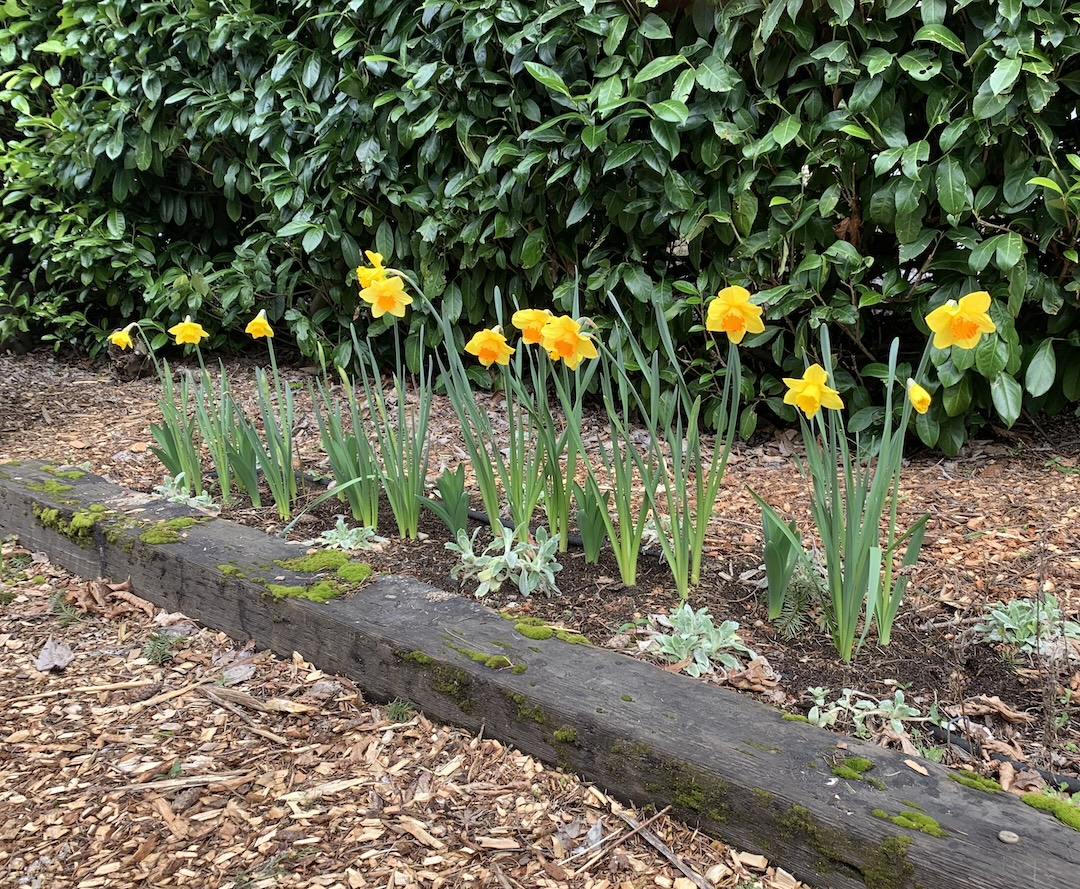
Spring is one of the most-anticipated seasons. After a very dreary and drizzly winter, I cannot wait to see the bulbs start to emerge and the temperatures slowly begin to rise. Finally, in May, the rhododendrons explode in glorious color and you know the growing season is finally getting started.
Rainfall
In the spring, rainfall will still be fairly consistent. You definitely don’t need to do much watering, but it’s a great time to start working in the soil. Once it’s no longer soggy, you can get in there and get to work.
You’ll probably need to water in anything you plant at this time, but the rain will do most of the work for you until summertime.
Spring Chores
Spring is a great time to start any annual seedlings you want to grow yourself.
It’s also the time when the weeds start to take over. One great thing about our climate is it’s easy to grow things. One frustrating thing about our climate is it’s VERY easy to grow lots of weeds. If you can pull them out before they go to seed, you’ll make your job a lot easier come fall.
But seriously, plan on weeding, weeding, and doing some more weeding in the spring.
You can also work on any landscape maintenance tasks like creating new beds, adding irrigation, or just planning your garden for the year.
Don’t be fooled by the warming weather though – it stays too cool for most warm weather vegetables until at least after Mother’s Day. That’s about when you can plant your tomatoes, basil, and peppers. Any other warm weather veggies I wait until early June to plant.

Summer
Around June (but doesn’t really take off until July) to end of August
Summer is the busiest season. The sun’s finally out and there’s so much to do! Keep an eye on your plants and make sure they don’t get too thirsty. Don’t forget to drink lots of water yourself, especially if you’re out working in the heat of the day.
Rainfall
Once summer really gets going (around the end of June), the rains are pretty much gone. This is why we’re considered a “Mediterranean-type climate”. We have wet winters and dry summers.
Unfortunately, this means you have to keep on top of irrigation for your plants. Anything you planted this spring will need regular watering. Raised beds and containers may need daily watering during hot, dry spells. Keep an eye on your plants and you’ll learn over time what they need and when.
If you can, I highly recommend automatic irrigation.
For a quick and easy option (in a flat area), I like to set up a soaker hose with a 10-15psi pressure regulator. Then I like to connect a garden hose, when needed, using a quick connect accessory. I’ll turn the water on, set a timer, then turn it off when it’s done. It’s manual, but automatic enough that I can spend a lot less of my time watering.
Once you’re ready to level up, you can upgrade to drip irrigation. It’s much more customizable, works in a wider variety of situations, and looks better too.
Need help setting up your irrigation? We can help with that!
Perennials are great plants to have as they will often be fine with just a little supplemental water during the summer (after they’re established). Granted, this depends a lot on the plant and where it’s planted – which is something we can help you with!
Summer Chores
Watering, weeding (that you couldn’t keep up with in the spring), deadheading, and harvesting are just some of the many chores you’ll be doing in the summer months.
Summer is when your hard work finally comes to fruition. The fruits and vegetables are abundant – which means you’ll be harvesting often. The plants need watering and deadheading to keep them going strong. The weeds, which are finally starting to die back a little, still need pulling to prevent them from spreading.
Lots of great weather, but also lots to do in the summer garden.

Fall
Around September (but gets much wetter starting in October) to December
Fall means much cooler weather – finally – and the return of the rain.
Rainfall
September usually starts out with cooler temperatures and the occasional rain – though any month can surprise you. October is when the rains really start to return. You definitely won’t need to keep irrigating once this happens.
Fall Chores
Fall means raking lots of leaves to add to my compost and preparing my garden for the winter. I like to make sure all my beds are covered with plants or mulch to protect them from the rains to come.
I love that the harvest slows down so I can spend more time just relaxing outside instead of constantly doing yard work.
Fall is one of my favorite seasons. It’s a time to finally start relaxing and resting. You can begin dreaming of next year’s garden and pat yourself on the back for all the hard work you’ve done.

Winter
Around December (but the frosts don’t usually come until January/February) to March
Winter is the time to finally rest. You can stay inside and read your gardening books – dreaming about next year’s plans – or you can get outside and go for a walk – admiring all the beautiful greenery still around.
Rainfall
Winter is definitely not predictable here. It can get cold and snowy. It will definitely get rainy and windy. But there will be many days where it’s just cold, but not too cold, and cloudy – with little to no rain.
Winter is the time when we get the most rain here in Western Washington. It is dark and drizzly for months at a time. Honestly, it’s hard to deal with sometimes and I often wish I could vacation somewhere warm. But, it means the plants get watered and can hopefully store most of it up for next year’s summer drought.
Winter Chores
You can work in the garden on those “cloudy, but little to no rain” days, just try to avoid too much digging in the soil. Winter is a great time for maintenance tasks like organizing your potting shed, cleaning your used pots, or moving non-plant stuff around.
It can also be a great time to forget about your garden entirely and just go for a nice, long walk.
Mostly, the winter work is done indoors – planning next year’s garden, looking at new plants for sale, and making lists of what you want to plant and where for next year.
And, if you’re me, counting down the days until it stays light after 5pm again. The winter blues can get rough sometimes, but I guess it’s worth it to be able to grow so many amazing plants here.
Summary
So, I hope that helps you get an overview of how the gardening seasons work here in the South Puget Sound. Don’t be afraid to get out there and try things out. If you find you need a little help, advice, or guidance – reach out! We’d love to hear from you and help you out.
TLDR;
Spring (March to May) – means chilly weather but a little less rain and things starting to grow
Summer (June to August) – means hot weather and little to no rain, but lots to harvest
Fall (September to November) – means cooler weather and a return of the rain, along with putting the garden to bed
Winter (December to February) – means cold weather, lots of clouds, and lots of rain, but also some great days to get outside and do some work or go for a walk
Leave a Reply